Faux Embroidery Black History Crochet Review
First Impressions: A Thoughtful, Versatile Design
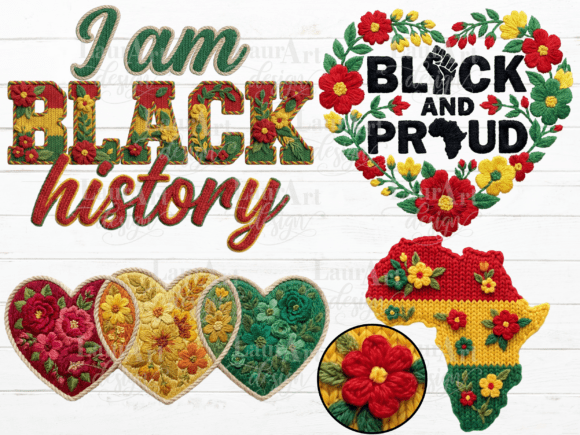
As an embroidery designer who frequently works with custom handmade gifts, the Faux Embroidery Black History Crochet design immediately caught my eye for its emotional depth and elegant simplicity. The design blends a soft, vintage-inspired aesthetic with meaningful cultural motifs, making it a standout choice for personalized products. It feels both modern and timeless—cozy enough for a baby blanket, yet refined enough for a wedding gift or family keepsake.
What stands out most is the attention to detail in the faux embroidery effect. The design mimics hand-stitched work beautifully, giving it that sought-after handmade charm without the complexity of actual embroidery. It’s perfect for crafters who want to offer high-quality, meaningful designs without investing hours in intricate stitching.
Ideal Uses for This Design
Faux Embroidery Black History Crochet is incredibly versatile when it comes to application. Here’s how I see it working across a range of popular handmade products:
- Baby Embroidery: The softness of the design makes it ideal for baby blankets, burp cloths, and onesies. It adds a personal, meaningful touch to nursery decor or baby shower gifts.
- Wedding Gifts: Whether stitched onto towels, pillow covers, or aprons, this design brings a sentimental and elegant feel to wedding keepsakes.
- Family Keepsakes: From custom wall hangings to embroidered tote bags, it’s a great fit for celebrating heritage and family history.
- Nursery Decor: The gentle motifs work well on wall art, mobiles, and bedding accessories.
- Embroidered Towels: Adds a decorative yet understated elegance to hand towels, kitchen linens, and bath sets.
- Pillow Covers: A subtle yet impactful statement piece for throw pillows in any home.
- Blankets: Perfect for adding a personalized, cultural touch to receiving blankets or heirloom quilts.
- Aprons & Tote Bags: Makes a thoughtful addition to everyday-use items that carry emotional value.
- Custom Home Decor: Ideal for embroidered wall art, framed hoop art, or even kitchen decor.
- Craft Fair Products: Stands out in a sea of generic designs—ideal for Etsy sellers and small craft businesses.
Practical Considerations for Stitching Success
While the design is visually appealing, there are a few practical concerns to keep in mind when working with Faux Embroidery Black History Crochet:
- Small Lettering & Delicate Shapes: If the design includes text or intricate elements, test stitch-outs are essential—especially for smaller hoop sizes. You’ll want to ensure clarity and readability on the fabric you're using.
- Dense Details: Depending on the file's stitch density, some areas may feel stiff on soft fabrics like baby clothes. A lightweight stabilizer can help maintain softness without sacrificing detail.
- Textured Towels: On terry cloth or looped towels, the texture may affect how the design lays. A topping like water-soluble stabilizer can smooth the surface for cleaner embroidery.
- Stretchy Fabrics: For baby garments or stretchy tees, use a cutaway stabilizer to prevent puckering and distortion.
- Thick Blankets: When embroidering on thick materials, consider using a larger hoop if available and test tension and stitch coverage to ensure durability.
- Dark Fabric Contrast: The design may require thread color adjustments depending on the fabric. Always test thread colors against your fabric for optimal visibility.
- Washing Durability: Be sure to follow best practices for washing embroidered items—turn inside out, use gentle cycles, and avoid high heat when drying.
Impact on Customer Trust and Gift Appeal
For small business owners and Etsy sellers, Faux Embroidery Black History Crochet has the potential to elevate your product presentation. The design’s cultural significance and elegant aesthetic add emotional value, making it especially appealing for customers looking for meaningful gifts.
When used thoughtfully, this design can help:
- Increase customer trust through high-quality, intentional design work.
- Enhance perceived handmade quality even when using machine embroidery.
- Improve product photography by offering a unique visual focal point.
- Boost giftability with a design that feels personal and purposeful.
- Engage buyers emotionally through meaningful, culturally rich motifs.
Final Embroidery Tips for Best Results
Before stitching out Faux Embroidery Black History Crochet for a customer order, always:
- Create a test stitch-out on similar fabric to check for clarity and density.
- Review small details after stitching to ensure they’ve translated well from screen to fabric.
- Compare thread colors in natural light to match your vision and fabric.
- Test on similar fabric before committing to a final product.
- Confirm hoop size compatibility with your embroidery machine.
- Check stitch density to avoid puckering or stiffness.
- Use the proper stabilizer based on fabric type and thickness.
- Review product details and licensing directly on Creative Fabrica before selling finished products.
Remember, even though this is a digital embroidery file, the final product should always reflect the care and professionalism of a handmade item. Proper testing and attention to detail will ensure your finished goods stand out in a competitive market.
Conclusion: A Meaningful Addition to Your Embroidery Library
Faux Embroidery Black History Crochet is more than just a design—it’s a storytelling tool. Whether you're creating a baby gift, a wedding keepsake, or a custom home decor item, this design brings emotional depth and visual elegance to your work.
For Etsy sellers and small craft businesses, it’s a smart addition to your Creative Fabrica embroidery collection. It’s versatile, emotionally resonant, and easy to incorporate into a wide range of products. Just be sure to test thoroughly, stitch with care, and present your finished items with pride.