Plant Pot Machine Embroidery Design Review
First Impressions: A Springtime Staple for Craft Fair Sellers
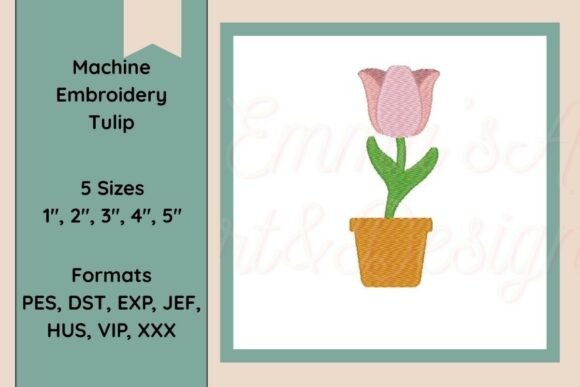
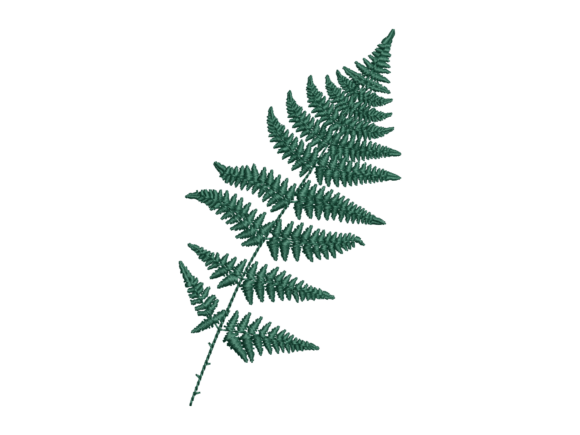
As an embroidery designer preparing for a weekend craft fair, the Plant Pot Machine Embroidery Design immediately caught my eye. Based on the product title and description, this design feels like a fresh, farmhouse-inspired motif perfect for spring-themed handmade goods. It’s not overly bold or minimalist, but rather a soft, decorative design that blends well with seasonal themes like Easter, Mother’s Day, and garden-inspired crafts.
The mention of “class” in the product description hints at a timeless, slightly elegant edge—ideal for customers who appreciate subtle sophistication in handmade items. It’s the kind of embroidery file that could work across a range of products, from tote bags to embroidered patches, without feeling out of place.
Best Products to Showcase the Design
This design shines brightest on craft fair products that highlight its botanical charm. Here’s where I’d place it for maximum impact:
- Tote bags – Especially natural cotton or linen for a rustic, eco-friendly look.
- Aprons – Adds a cheerful touch to kitchenwear and makes a great Mother’s Day gift.
- Tea towels – Works well as a central embroidered accent or part of a themed set.
- Patches – Perfect for sew-on or iron-on applications, especially for boutique makers.
- Caps – Ideal for small hoop embroidery, though placement and fabric texture will matter.
- Fabric pouches – Cute and functional for spring-themed accessories or gift packaging.
- Pillow covers – Offers a decorative focal point when embroidered at a larger size.
- Etsy listings – Especially when paired with printable mockups and seasonal keywords.
Visual Appeal and Customer Engagement
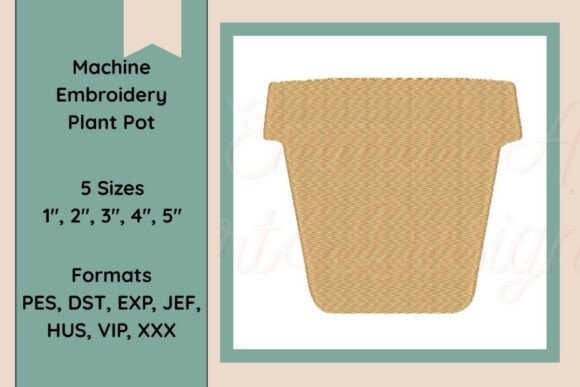
The Plant Pot Machine Embroidery Design is easy to understand at a glance—this is crucial for craft fair shoppers who browse quickly. It reads well as both a small accent and a larger focal point, depending on how it’s used. For example, a 2-inch embroidered patch on a market bag feels subtle and charming, while a 4-inch version on a pillow cover becomes a statement piece.
When photographing for online listings, this design photographs well, especially on light-colored or pastel fabrics. It’s not overly complex, which helps maintain clarity in digital product photos. This makes it a solid choice for Etsy sellers and other digital crafters who rely on strong visual merchandising.
Batch Production and Practicality
One of the biggest selling points for this machine embroidery design is its repeatability. If you're producing a dozen embroidered tote bags or aprons for your booth, this design holds up well across multiple items. Just be sure to test the stitch density and thread contrast early on.
It's especially useful for small shop products that need a consistent, branded look. Whether you're making a limited run or planning to reuse the design next spring, this file seems versatile enough to support seasonal reappearances.
Things to Watch For During Embroidery
Like any embroidery file, there are a few production considerations to keep in mind:
- Dense stitch areas – Check for thread buildup that could pucker lighter fabrics.
- Tiny details – Some fine lines in the pot or plant may blur on textured towels or thick cotton.
- Dark fabric use – The design may lose contrast if stitched on very dark materials without thread adjustments.
- Small scaling – The design may become less readable when reduced below 1.5 inches, especially on curved surfaces like caps.
For best results, test the design on scrap fabric first. Use the correct stabilizer based on your fabric type—especially important for tea towel embroidery or apron embroidery where texture can affect stitch quality.
Booth Display and Product Value
At a craft fair, this design has strong booth display strength. It’s eye-catching without being overwhelming, and fits into a spring or Easter-themed display effortlessly. Pair it with coordinating designs and a cohesive color palette to build a mini-collection.
From a value standpoint, the Plant Pot Machine Embroidery Design enhances the perceived handmade quality of your product. When stitched cleanly and paired with quality materials, it gives your items a premium feel that shoppers associate with boutique-level craftsmanship.
Designer Notes Before Production
Before launching this design into your product lineup, here are a few final tips from my experience as an embroidery designer:
- Test the design on scrap fabric – Always stitch a sample before committing to your final product.
- Check thread contrast – Ensure the colors in the design pop against your chosen fabric.
- Review spacing and density – Avoid puckering by checking how tightly the design is stitched.
- Confirm hoop size – Make sure your embroidery machine can accommodate the design dimensions.
- Use the right stabilizer – Tear-away, cut-away, or wash-away—each has its place depending on fabric type.
- Create a real mockup – Don’t rely solely on digital previews; see how it looks in person.
- Compare fabric colors – Some thread shades may look different depending on the base fabric.
- Confirm commercial licensing – If you’re selling finished products, ensure the design allows for resale.
While the product description mentions this is a versatile embroidery file, I recommend checking file format, hoop size, and licensing terms before mass production—especially if you're a digital embroidery file reseller or commercial embroidery business.
Final Thoughts for Craft Fair Sellers
The Plant Pot Machine Embroidery Design is a solid addition to any craft fair lineup. It’s versatile, seasonally relevant, and works well across multiple handmade product types. With a little planning and attention to detail, this design can help elevate your booth’s aesthetic and attract buyers looking for spring-inspired, high-quality handmade goods.