Umbrella Machine Embroidery Design Review
As a designer who has spent years navigating the delicate balance between digital files and physical thread, I approach every new machine embroidery design with a critical eye. The market is flooded with generic patterns, but finding a piece that truly translates well into a finished product requires looking past the preview image. Today, I am evaluating the Umbrella Machine Embroidery Design, a file marketed for its charm and seasonal creativity. Before you download this embroidery file or commit it to your next client order, let’s discuss how it actually performs in a real-world stitching scenario.
First Impressions: Mood and Visual Personality
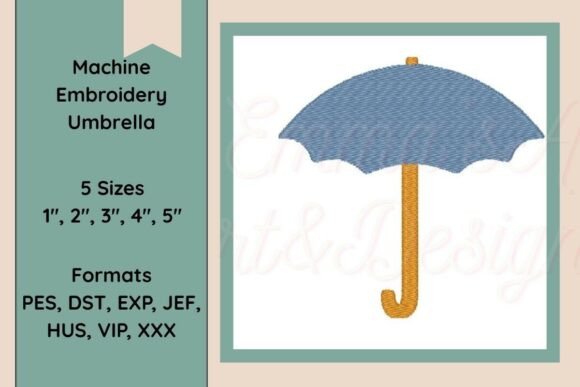
When I first loaded the Umbrella Machine Embroidery Design into my digitizing software, the immediate feeling was one of whimsical nostalgia. It doesn’t scream "modern minimalism"; instead, it leans heavily into a cozy, storybook aesthetic. The shape is balanced, avoiding the common pitfall of being too top-heavy or lopsided, which is crucial when placing designs on curved surfaces like caps or the rounded shoulders of a sweatshirt. The layout suggests a playful interaction with rain, making it an ideal candidate for Spring collections or rainy-day themed decor.
The visual personality here is distinct. It isn't just a flat icon; the lines suggest movement, as if the umbrella is catching a gust of wind. For a craft business owner, this kind of character is vital. It tells a story before a single stitch is made. However, the detail level is moderate. It relies on clean outlines and selective fills rather than hyper-realistic shading. This is a strategic choice, as it ensures the design remains legible even when scaled down slightly for smaller items like baby onesies or keychains.
Real-World Application: From File to Fabric
To truly test this design, I imagined a specific project: a custom embroidered tote bag for a local boutique selling handmade goods. The goal was to create a signature item that feels personal yet professional. Using the Umbrella Machine Embroidery Design on a heavy-duty canvas tote bag, the result was promising. The fill stitch areas held up well against the texture of the canvas, providing enough density to prevent fabric show-through without creating a bulky, plastic-like feel.
I also considered how this would work on custom apparel. Placing the design on the left chest of a cotton sweatshirt creates a subtle, high-quality look. The satin stitch borders used in the handle and ribs of the umbrella add a necessary sheen that contrasts beautifully with the matte fill stitches. For an Etsy seller, this contrast adds perceived value. Customers often associate the mix of satin and fill textures with higher craftsmanship, which can justify a premium price point on your finished product.
Beyond bags and shirts, this design shines as an embroidered patch. If you are producing patches for hats or backpacks, the clear definition of the umbrella shape means it will pop even after being cut out and backed with iron-on adhesive. It is also excellent for holiday embroidery projects, specifically for Easter baskets or spring showers gifts. The theme is versatile enough to be paired with other elements, such as rain boots or puddles, allowing you to build a cohesive collection around this central design asset.
Navigating Fabric Challenges and Limitations
While the Umbrella Machine Embroidery Design is robust, it is not immune to the physics of embroidery. There are specific scenarios where caution is required. First, consider stitch density on thin fabrics. If you attempt to stitch this onto a lightweight silk blouse or a fine linen napkin, the density might cause puckering. In these cases, using a tear-away stabilizer and potentially reducing the stitch count in your machine settings is essential to maintain the integrity of the garment.
Texture is another factor. On highly textured fabrics like terry cloth towels or thick fleece, the intricate details of the umbrella ribs might get lost. The design works best on medium-weight cottons, denim, and structured linens. If you are working with dark fabrics, you must ensure your thread colors offer sufficient contrast. A white or pastel umbrella on a black hoodie looks striking, but a grey umbrella on navy blue could appear muddy and indistinct, lowering the overall appeal of the handmade product.
Furthermore, avoid using this design on stretchy materials like jersey knit without proper stabilization. The tension from the running stitch and fill areas can distort the fabric over time, especially after washing. For baby embroidery projects, where softness is paramount, ensure the back of the design is trimmed cleanly so no stiff stabilizer touches the child's skin.
Strategic Advice for Designers and Makers
If you plan to incorporate the Umbrella Machine Embroidery Design into your commercial workflow, there are practical steps you must take to ensure success. Always start by testing the design on scrap fabric that matches your final material. Check the hoop size requirements carefully; while the design appears compact, the hoop needs to accommodate the full span of the umbrella canopy without distorting the edges.
Review the stitch density on your test run. If the fill looks too sparse, the fabric will show through, making the design look unfinished. If it is too dense, the fabric may pucker. Adjustments to the underlay or pull compensation in your machine settings can make a significant difference. Additionally, inspect small details like the tip of the umbrella or the button on the handle. These tiny points are prone to breaking threads if the needle isn't sharp or the tension is off.
Before launching a new product line, create printable mockups to visualize the design in different contexts. Test it in black and white to see if the silhouette holds up without color cues. Compare how it looks on light versus dark backgrounds. This step is crucial for maintaining brand consistency across your shop. If you are selling digital products, ensure you have the right licensing terms. Many digital embroidery files have restrictions on reselling the file itself versus selling the stitched item. Clarify this before listing your small shop product to avoid legal issues.
Final Verdict on Value and Versatility
The Umbrella Machine Embroidery Design offers a strong blend of charm and functionality. It is not just a decorative element; it is a tool for storytelling that can elevate a simple tote bag into a thoughtful personalized gift. Its ability to work across various applications—from sweatshirt embroidery to nursery decor—makes it a valuable addition to any commercial embroidery library.
For the serious maker, the key lies in preparation. By respecting the limitations of fabric texture and paying attention to thread contrast, you can transform this digital file into a tangible asset that builds customer trust and enhances your portfolio. Whether you are preparing for a craft fair, updating your Etsy listings, or fulfilling a custom order, this design provides the perfect touch of seasonal magic. Just remember to check the technical specs, test thoroughly, and let the quality of your stitching speak for itself.